How Does Steel Corrosion Work?
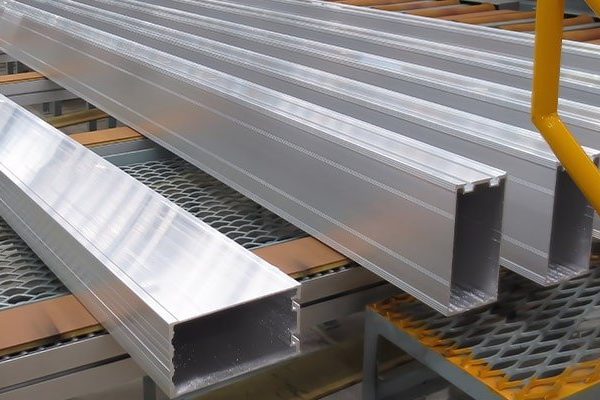
Aluminized and stainless steel products are known for their superior strength and corrosion resistance, which is nice at face value, but how does that actually work? Here at Atlas Steel, we understand all of the ins and outs of what makes aluminized and stainless steel better than regular steel in all the ways that matter most to our clients.
In this month’s blog, we’re going to discuss how steel corrosion works, and why aluminized and stainless steel resists it better than regular steel products.
How Does Steel Corrode?
To start, steel corrodes through an electrochemical process known as oxidation, where iron particles from the steel itself are reacting to oxygen and moisture to form rust. Obviously this process takes time, but it becomes very noticeable after a while and is very bad for the steel and structure of a building, as the rust is like a cancer that eats away at the material.
This is why we have both aluminized and stainless steel, as they were developed to specifically combat corrosion.
What is the Difference Between the Steels?
We can start this section by just looking at what regular structure steel (carbon steel) is, and it’s a high-strength, affordable choice for architects, but as we know now, its resistance to rust isn’t great and it will need protective coating added often. Early chemists realized that there had to be a way to make steel more corrosion resistant.
In 1913, stainless steel was developed to resist corrosion by adding 12.8% chromium to the steel which was crucial for steel products besides structural ones. And as for aluminized steel, in the early 1950s a new hot-dip coating process was developed and made it corrosion resistant, and was a competitive choice alongside galvanized steel.
What We Offer
Here at Atlas Steel, we only offer aluminized and stainless steel products, because we know that in order for things to stand tall and the test of time, they can’t be rusting or corroding on you. We stock the most widely used series of stainless-steel products (300 series austenitic, 400 series ferritic grades and 200 series) all meeting ASTM A-240 specifications (www.astm.org).
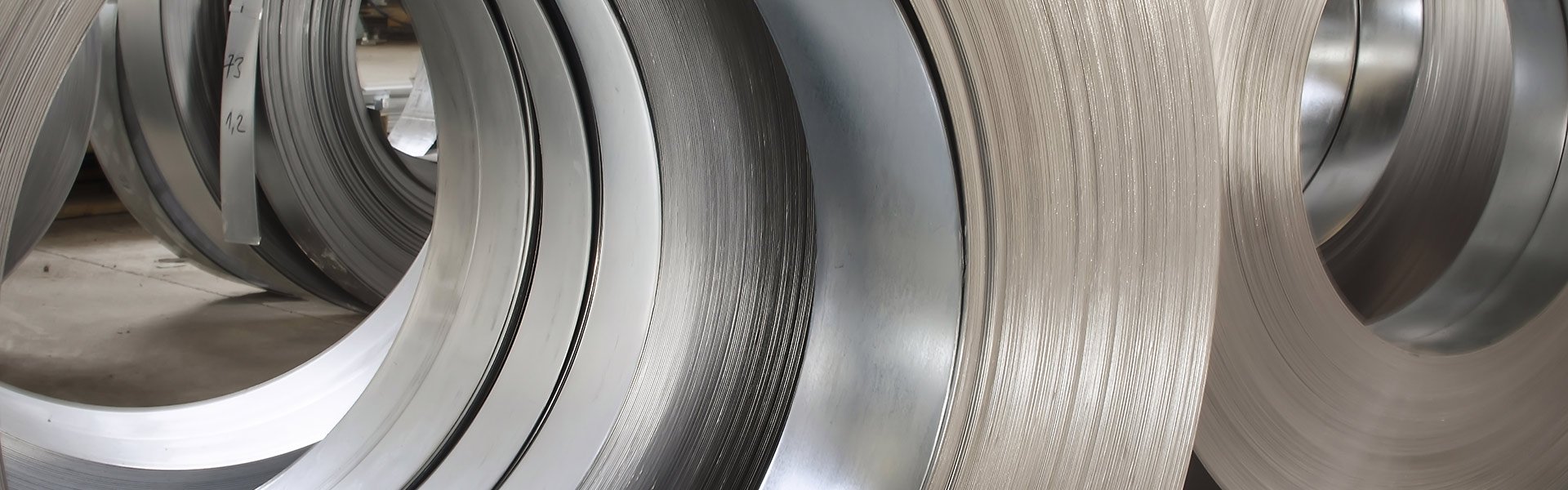
We also are the world leader in processing aluminized steel products which meet ASTM A463 specifications and a variety of other manufacturing and automotive industry standards. If you’re someone interested in using Atlas Steel for your aluminized or stainless steel products, then contact us today for more information!